Cheap vs Premium Diesel Compressors – What’s the Real Difference?
Choosing a diesel compressor often comes down to price. But two machines that look similar on paper can perform very differently in the real world.
Whether you're sandblasting, running air tools, or powering site equipment, the gap between a cheap compressor and a premium one isn’t just about cost — it’s about performance, reliability, and long-term value.
This guide breaks down the real differences so you can choose the right compressor for your job.
Why This Matters
If your compressor can’t deliver consistent airflow, everything connected to it suffers:
Slower blasting and poor finish quality
Tools losing power or stopping altogether
Increased downtime on site
👉 In short: the wrong compressor costs you more than you save.
1. Build Quality & Durability
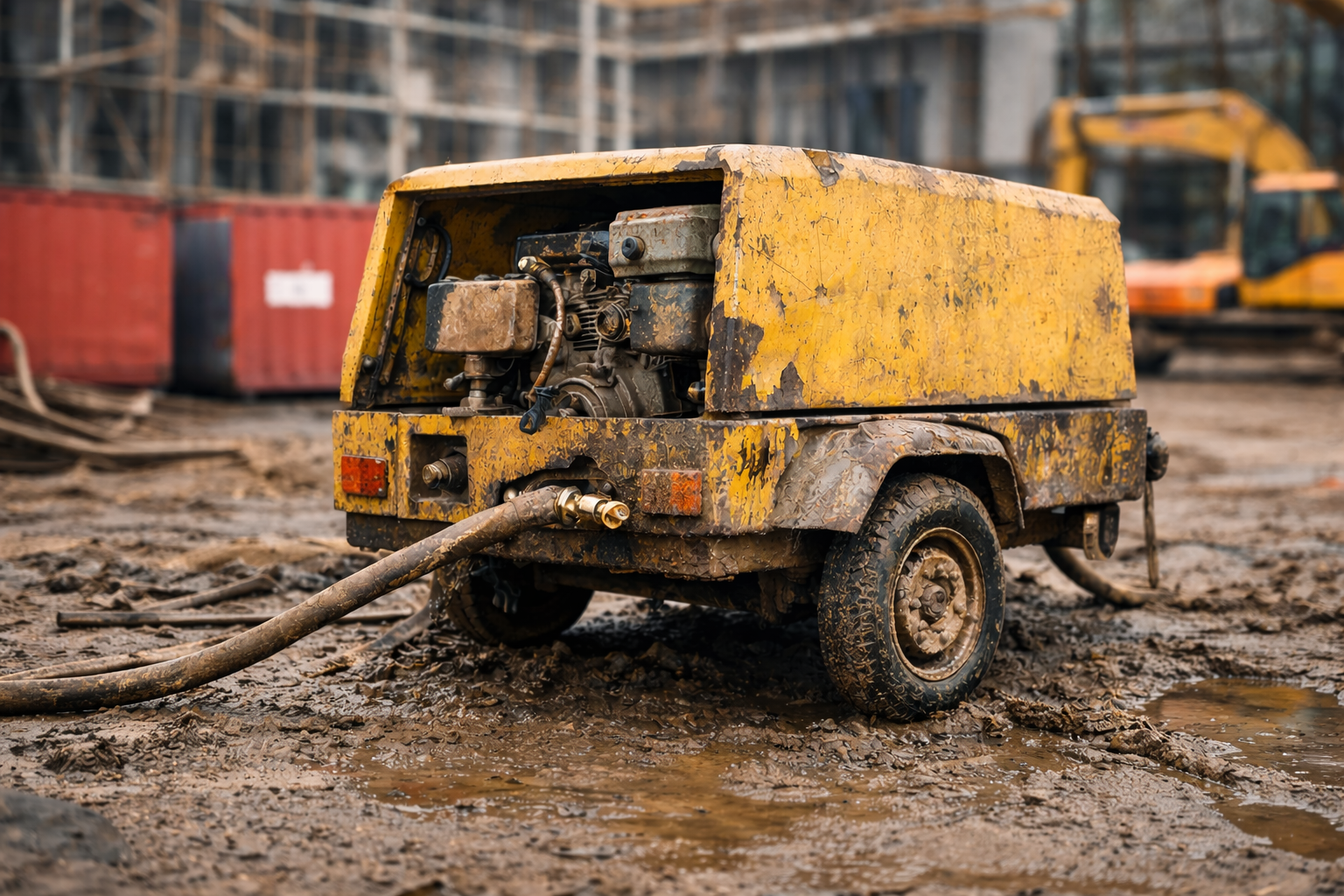
Cheap compressors
Lighter construction and thinner steel
Lower-grade internal components
Designed for light or occasional use
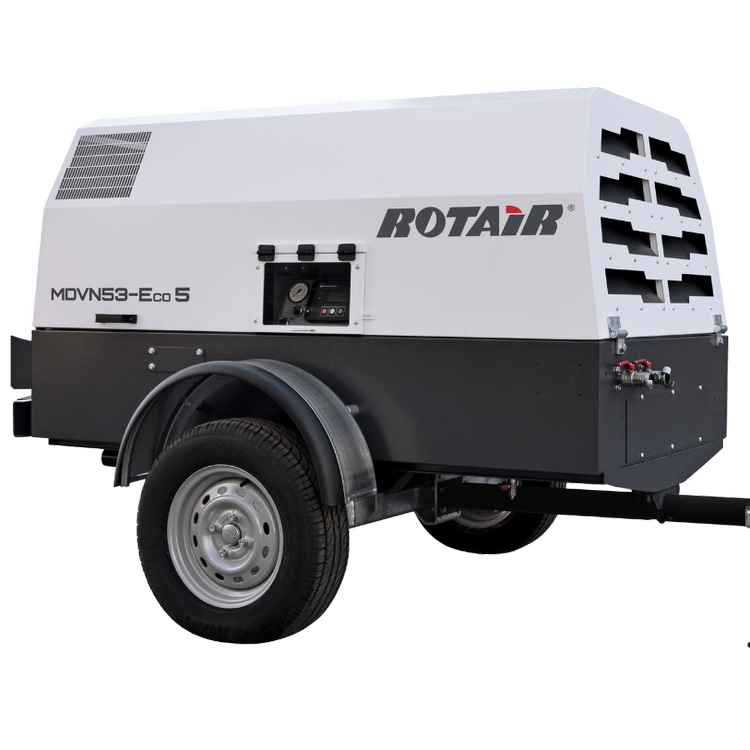
Premium compressors
Heavy-duty build and robust chassis
High-quality airends and components
Designed for daily, demanding use
👉 Premium machines are built to last — especially in harsh site environments.
2. Real-World Airflow (Not Just the Spec Sheet)
This is one of the biggest differences.
Cheap compressors
Often quote optimistic or peak airflow
Struggle to maintain output under load
Performance drops during continuous use
Premium compressors
Deliver consistent Free Air Delivery (FAD)
Maintain airflow and pressure all day
Perform as expected in real working conditions
👉 For applications like blasting, consistent airflow is everything.
3. Continuous Use & Reliability
Cheap compressors
Built for intermittent use
More prone to overheating
Higher risk of breakdowns
Premium compressors
Designed for continuous operation
Better cooling systems
Proven reliability on demanding jobs
👉 If you’re running all day, reliability matters more than price.
4. Fuel Efficiency & Running Costs
Cheap compressors
Lower upfront cost
Less efficient engines
Higher fuel consumption over time
Premium compressors
Optimised for efficiency
Lower fuel cost per hour
Better output for the same fuel usage
👉 Over time, a premium compressor can be cheaper to run.
5. Air Quality & Protection
Cheap compressors
Limited or no air treatment
Higher moisture in the air supply
Can affect tools, blasting results, and finish quality
Premium compressors
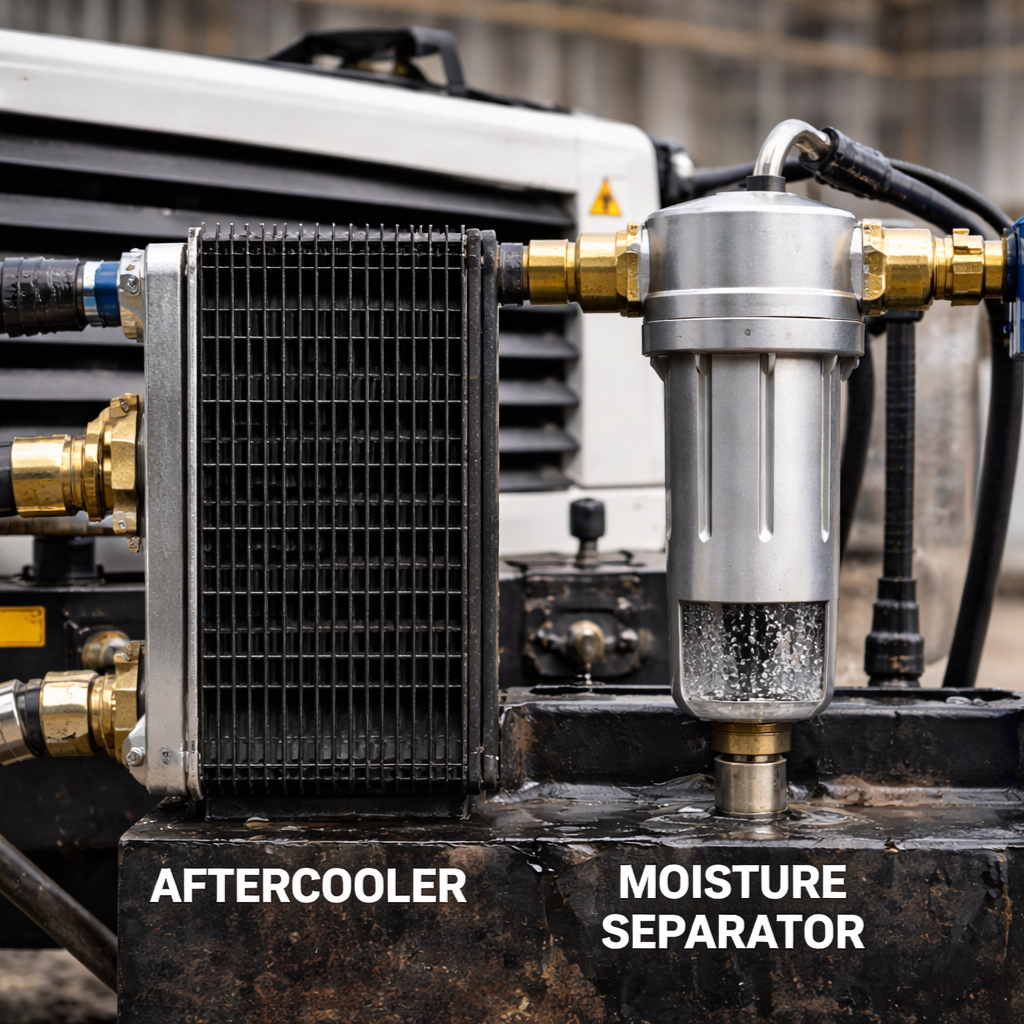
Often include aftercoolers and moisture separation
Cleaner, drier air
Protects equipment and improves results
6. Airflow Capability & Flexibility
Cheap compressors
Smaller outlets and restrictive fittings
Limited ability to run larger tools or multiple users
Premium compressors
Larger outlets (e.g. 3/4" or 1")
Designed for high airflow demand
Can handle multiple tools or demanding applications
👉 This gives you flexibility as your needs grow.
7. Lifespan & Resale Value
Cheap compressors
Shorter working life
Lower resale value
Often replaced rather than repaired
Premium compressors
Long service life
Strong resale demand
Designed for maintenance and longevity
Real-World Example
Two compressors may both be rated at 200 CFM.
A cheaper unit may struggle to deliver that consistently
A premium unit will provide stable airflow all day
👉 The result:
Faster job completion
Better tool performance
Less downtime
When a Cheap Compressor Might Be Enough
A lower-cost compressor can work if:
It’s used occasionally
You’re running low-demand tools
Downtime isn’t critical
When It’s Worth Investing in a Premium Compressor
A premium diesel compressor makes sense if you:
Are sandblasting, vapour blasting, or dry ice blasting
Run tools continuously on site
Need reliable performance every day
Want to minimise downtime and long-term costs
Final Thoughts
A cheap compressor saves money upfront.
A premium compressor delivers performance, reliability, and lower costs over time.
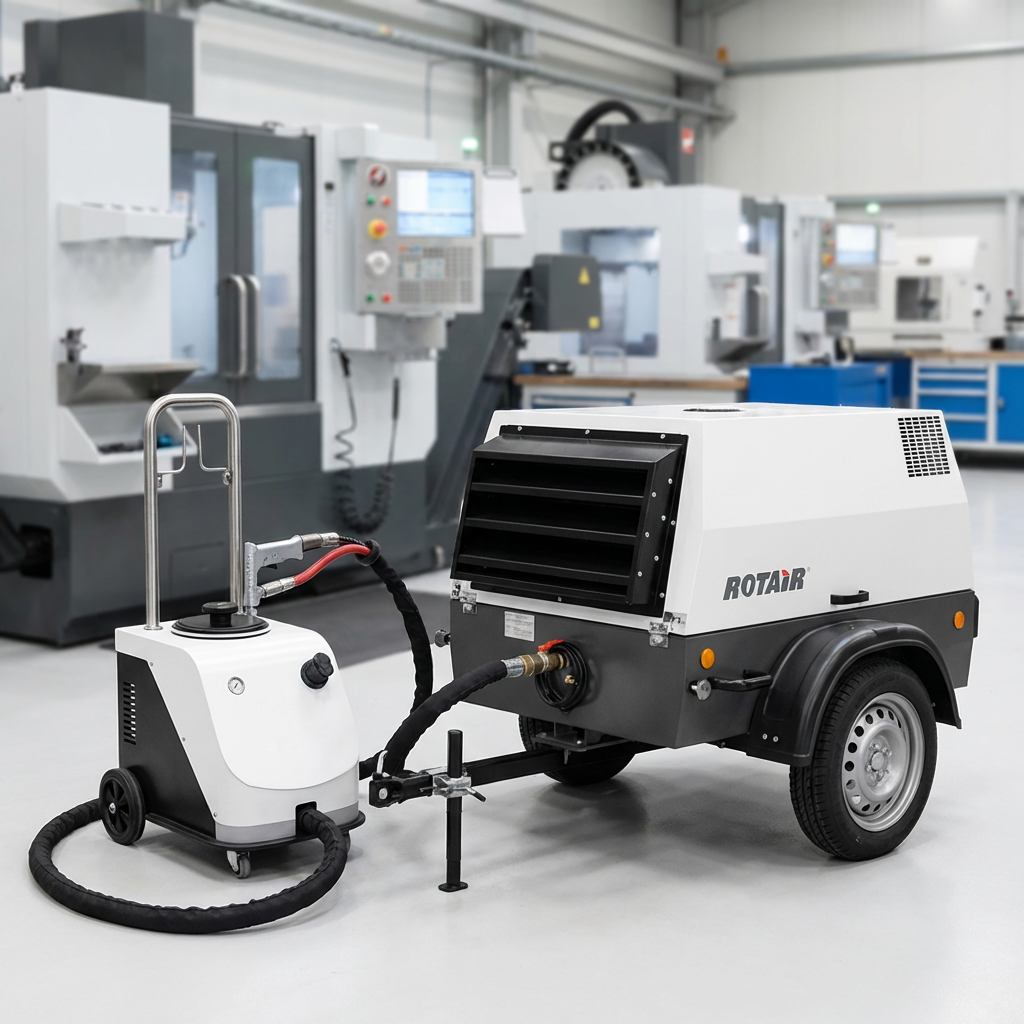
If your work depends on air — whether for blasting, tools, or site use — investing in a quality compressor will pay off.
👉 Want to talk about our range of compressors? Contact CoolBlast for expert advice.
Portable and Diesel Air Compressors Guides
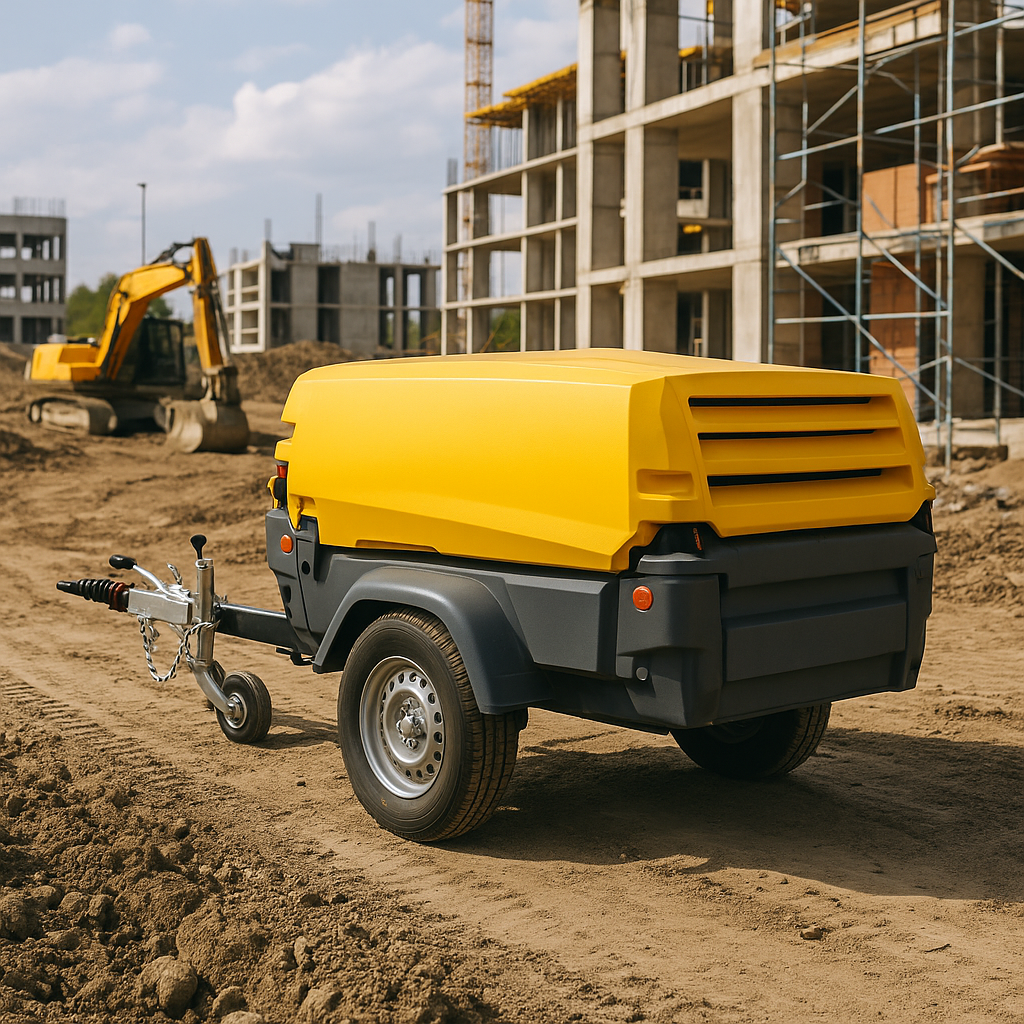
Choosing a Portable Diesel Compressor
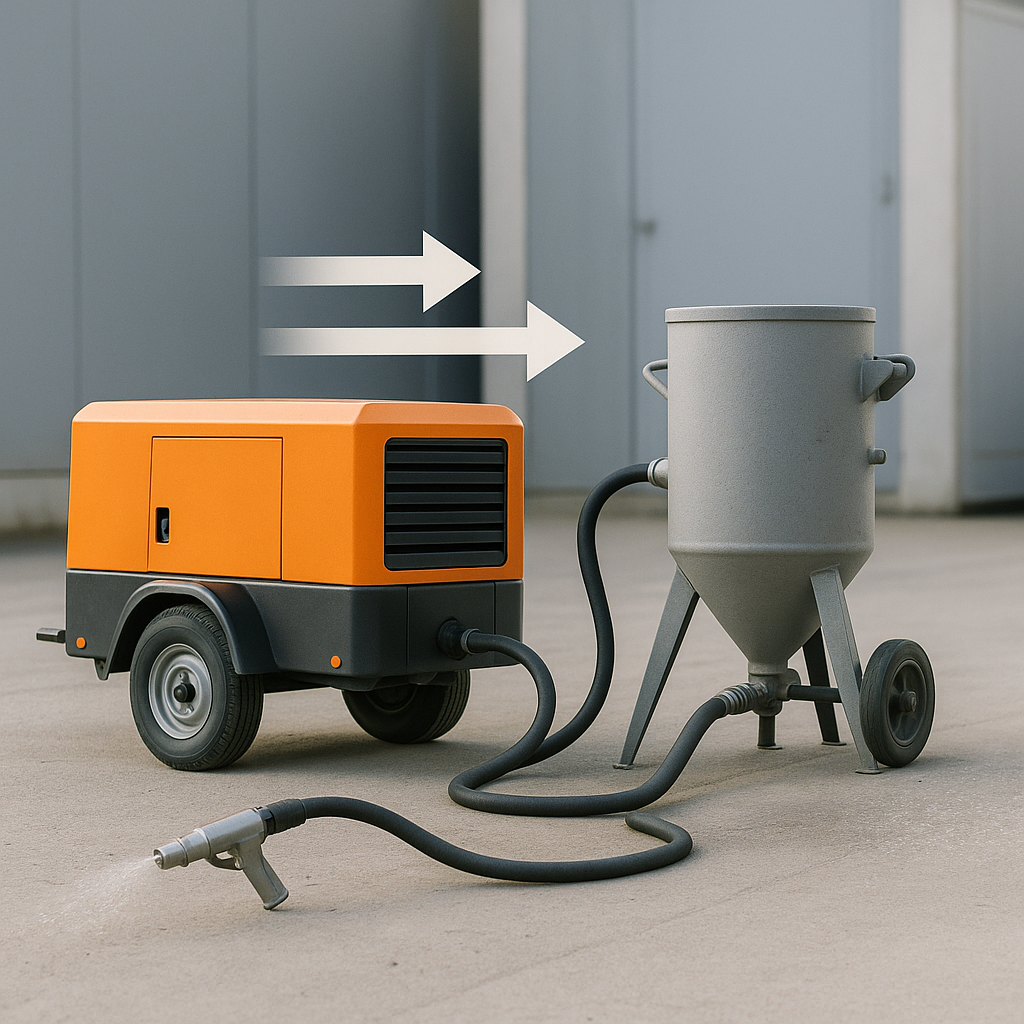
Air Requirements and Compressor Sizing

Maintenance & Servicing Guide for Compressors
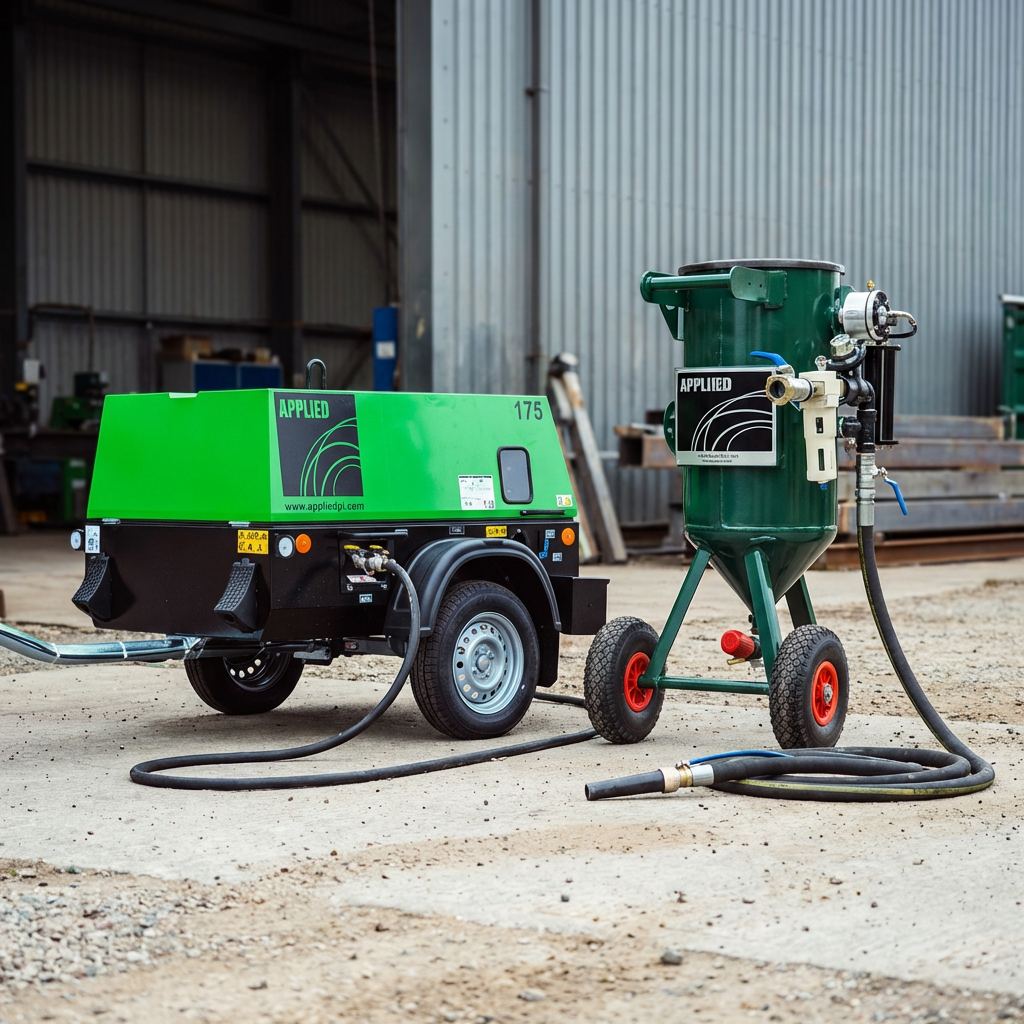
Best Diesel Air Compressors for Sandblasting
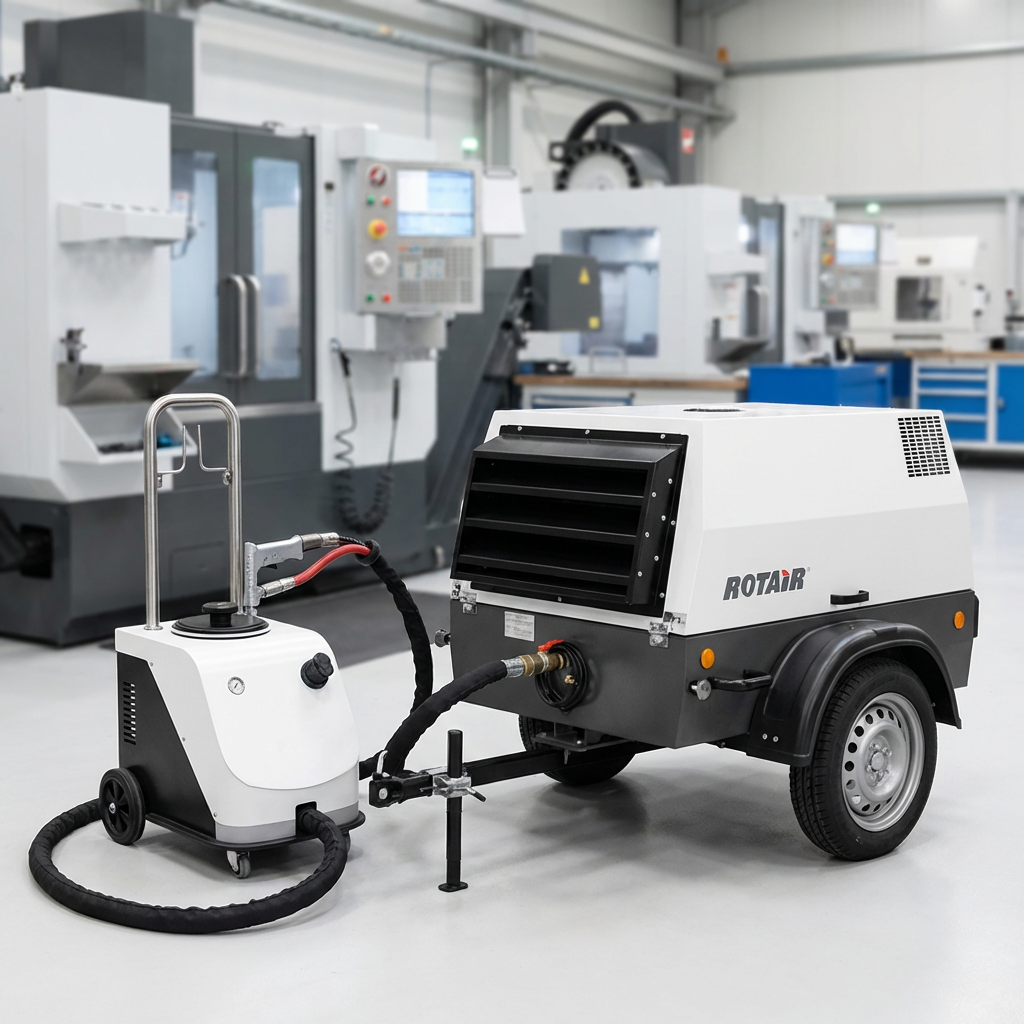
How to Size a Compressor Properly
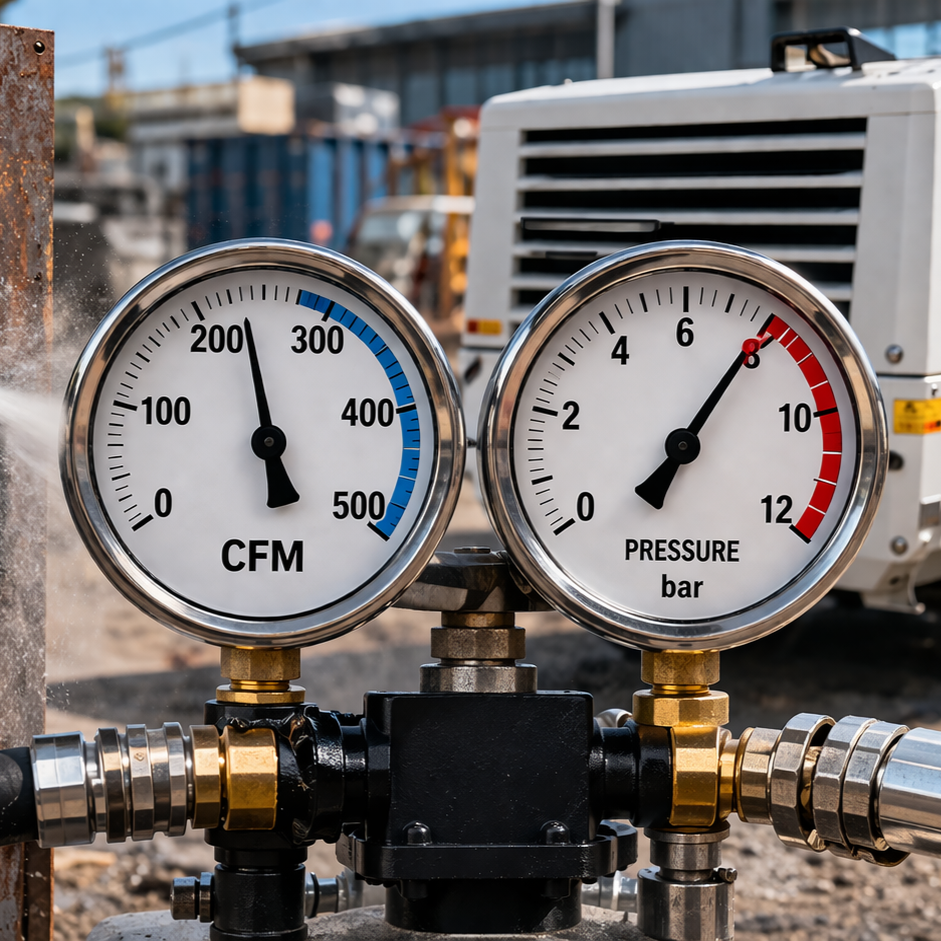
Airflow (CFM) vs Pressure (Bar)