Aftercoolers, Dryers & Moisture – Do You Actually Need Them?
When choosing a compressor setup, most people focus on airflow and pressure. But one of the biggest factors affecting performance — especially in blasting — is something often overlooked: moisture in the air line.
So do you actually need an aftercooler or dryer? In many cases, the answer is yes.
Why Moisture is a Problem
Compressed air naturally contains moisture. When air is compressed:
Temperature rises
Moisture is carried in vapour form
As it cools in the hose:
Water condenses
Liquid moisture enters your air line
👉 This is where problems start.
What Happens If You Don’t Remove Moisture
Moisture in your air supply can cause:
Wet or clogged blasting media
Inconsistent blasting performance
Poor finish quality
Blocked hoses and nozzles
Increased wear on equipment
👉 For blasting, moisture is one of the biggest causes of poor results.
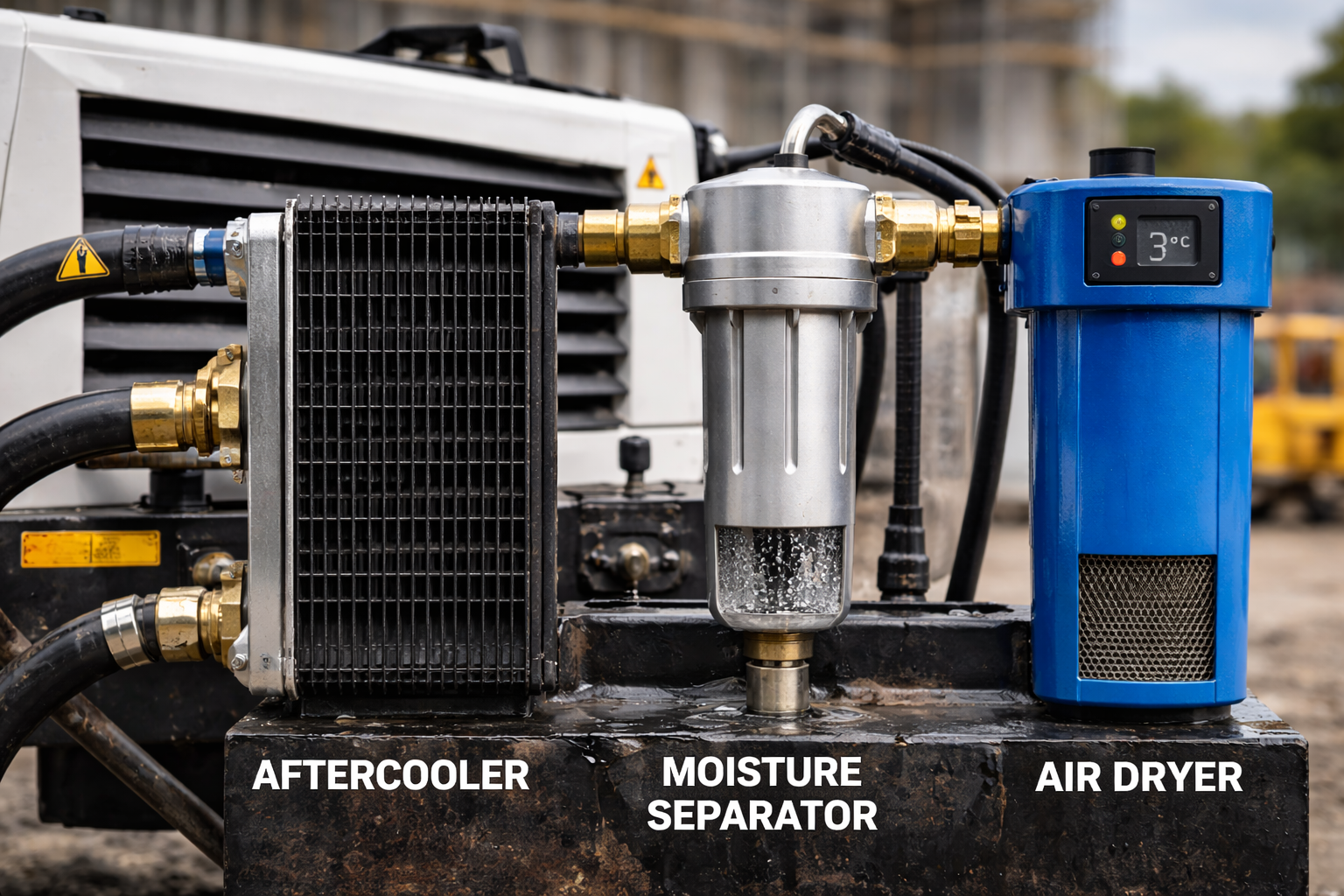
What Does an Aftercooler Do?
An aftercooler cools the compressed air as it leaves the compressor.
This causes moisture to:
Condense quickly
Be separated out before entering the hose
Benefits:
Removes a large percentage of moisture
Improves consistency
Reduces risk of blockages
👉 Think of it as your first line of defence.
What Does a Dryer Do?
A dryer goes further than an aftercooler.
It removes:
Remaining moisture
Fine water vapour
Types of dryers:
Refrigerated dryers (common for workshops)
Desiccant dryers (very dry air, higher spec)
👉 Dryers are typically used where very dry air is critical.
Do You Actually Need One?
For Sandblasting
👉 Yes — strongly recommended
Without moisture control:
Abrasive can clump
Flow becomes inconsistent
Performance drops
An aftercooler + moisture separator is usually enough for most jobs.
For Vapour Blasting
👉 Less critical, but still beneficial
Water is already part of the process
Moisture won’t cause the same issues
But:
Cleaner air still improves consistency
For Dry Ice Blasting
👉 Yes — important
Moisture can freeze in the system
Can affect pellet flow and performance
For Air Tools
👉 Depends on use
Occasional use → not always needed
Continuous use → recommended
Moisture can:
Damage tools
Reduce lifespan
Affect performance
For Spray Painting
👉 Essential
Moisture ruins finishes
Causes defects in paint
A dryer is usually required, not just an aftercooler.
Real-World Setup (What We Recommend)
For most blasting applications:
👉 Compressor + Aftercooler + Moisture Separator
This gives:
Reliable airflow
Reduced moisture
Consistent performance
For more sensitive applications:
👉 Add a dryer to the system
Common Mistakes to Avoid
❌ Running blasting equipment with no moisture control
❌ Assuming dry weather = dry air
❌ Using undersized or poor-quality separators
❌ Ignoring moisture until problems occur
Final Thoughts
Moisture in compressed air is unavoidable — but problems from it are not.
Aftercoolers remove most moisture
Dryers remove the rest
The right setup depends on your application
👉 For blasting and continuous use, moisture control isn’t optional — it’s essential.
Portable and Diesel Air Compressors Guides
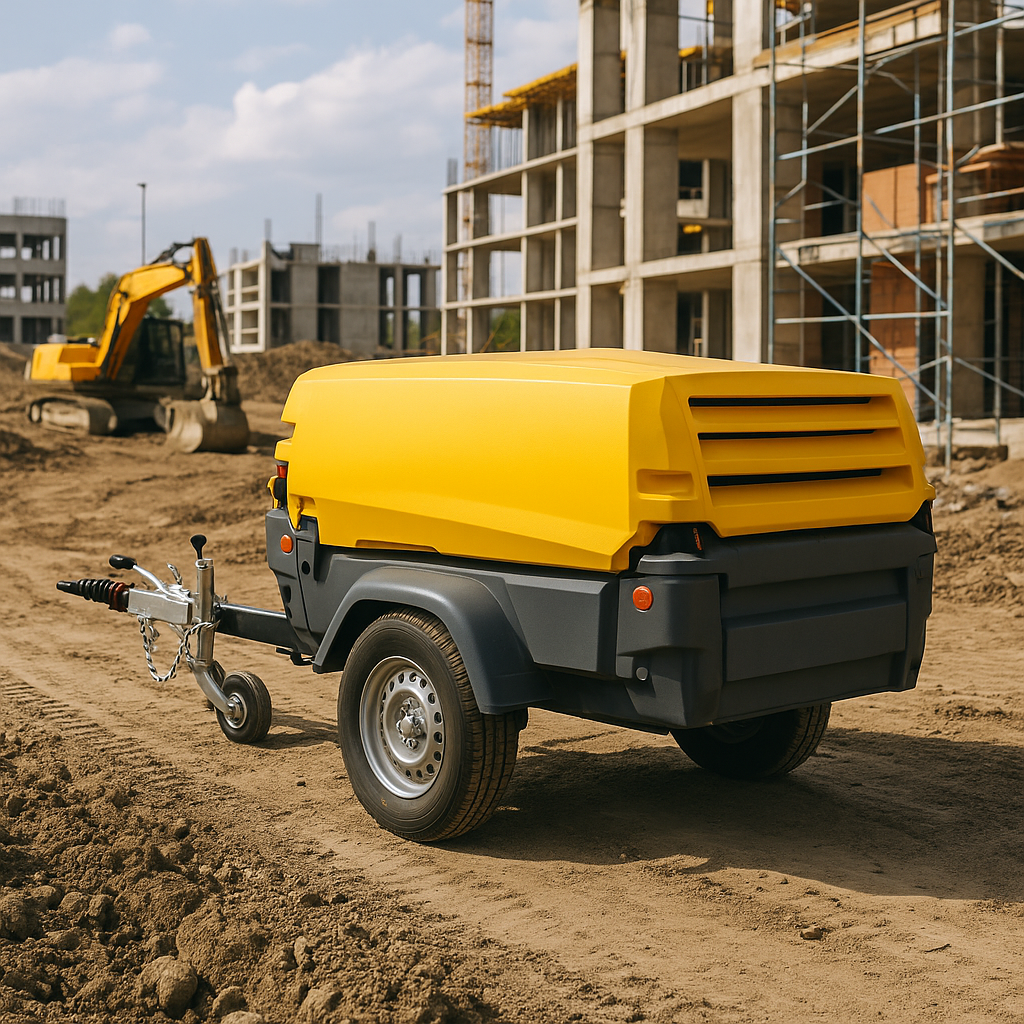
Choosing a Portable Diesel Compressor
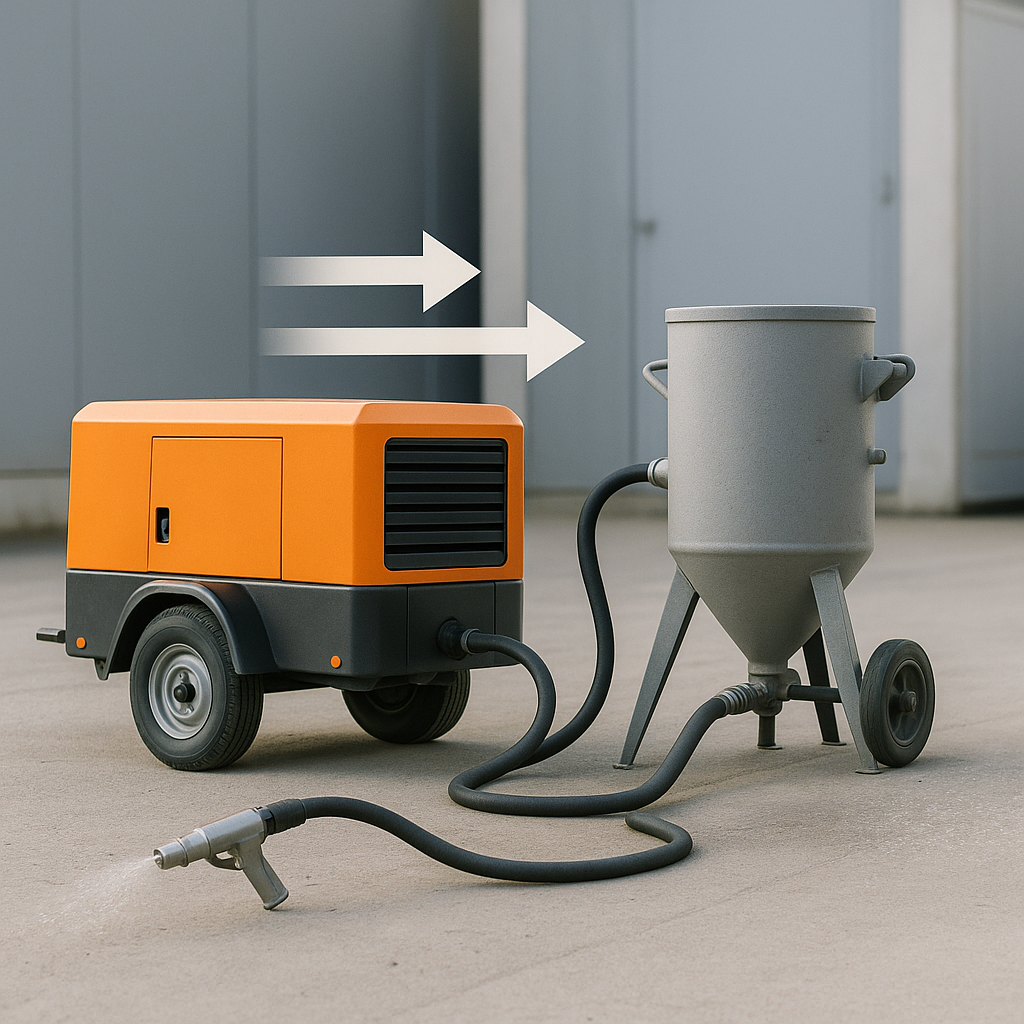
Air Requirements and Compressor Sizing

Maintenance & Servicing Guide for Compressors
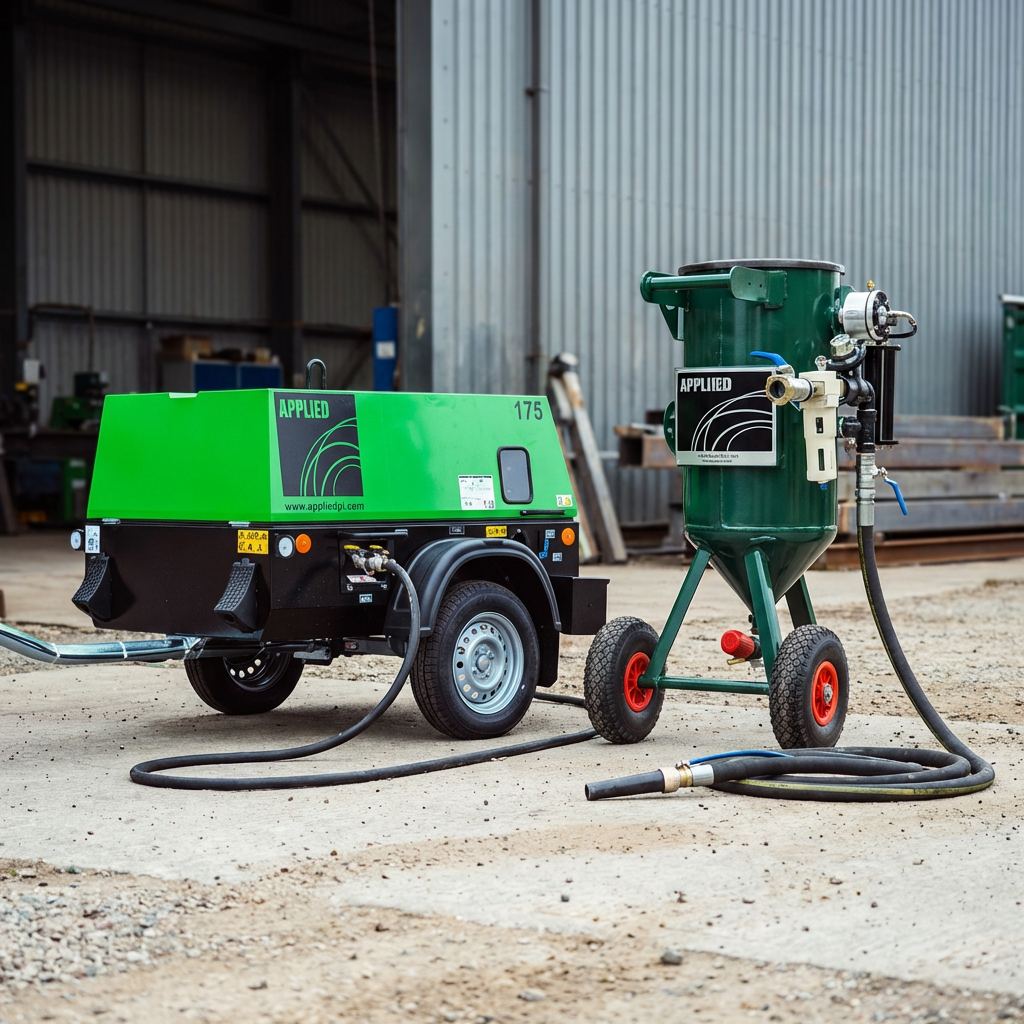
Best Diesel Air Compressors for Sandblasting
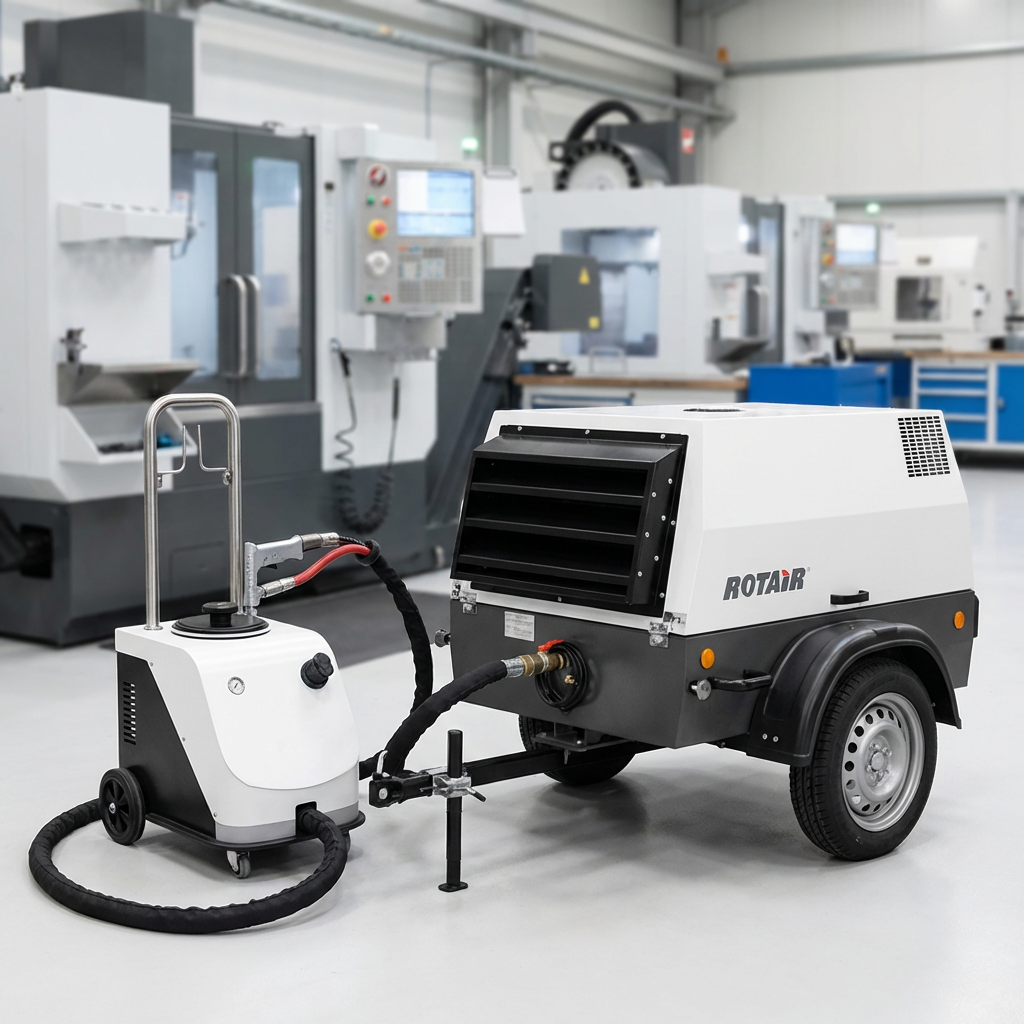
How to Size a Compressor Properly
Cheap vs Premium Diesel Compressors