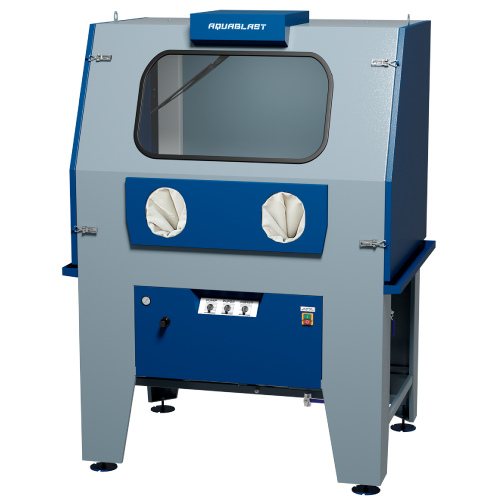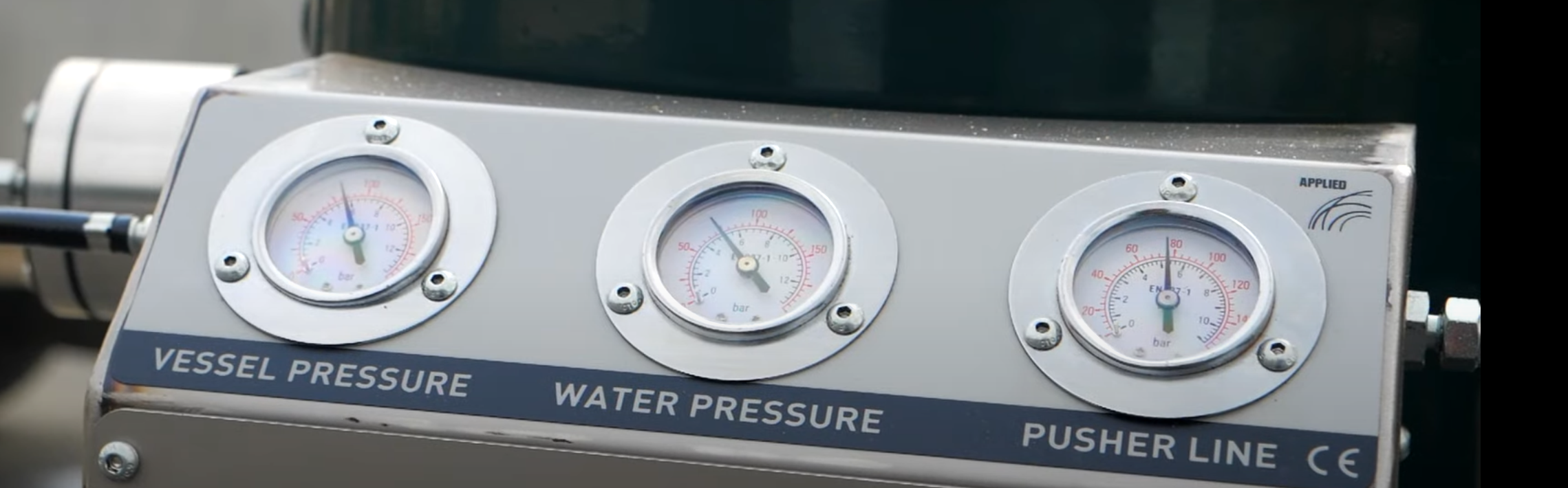
Aquablaster Guide
Pressure, Abrasive and Water Feed
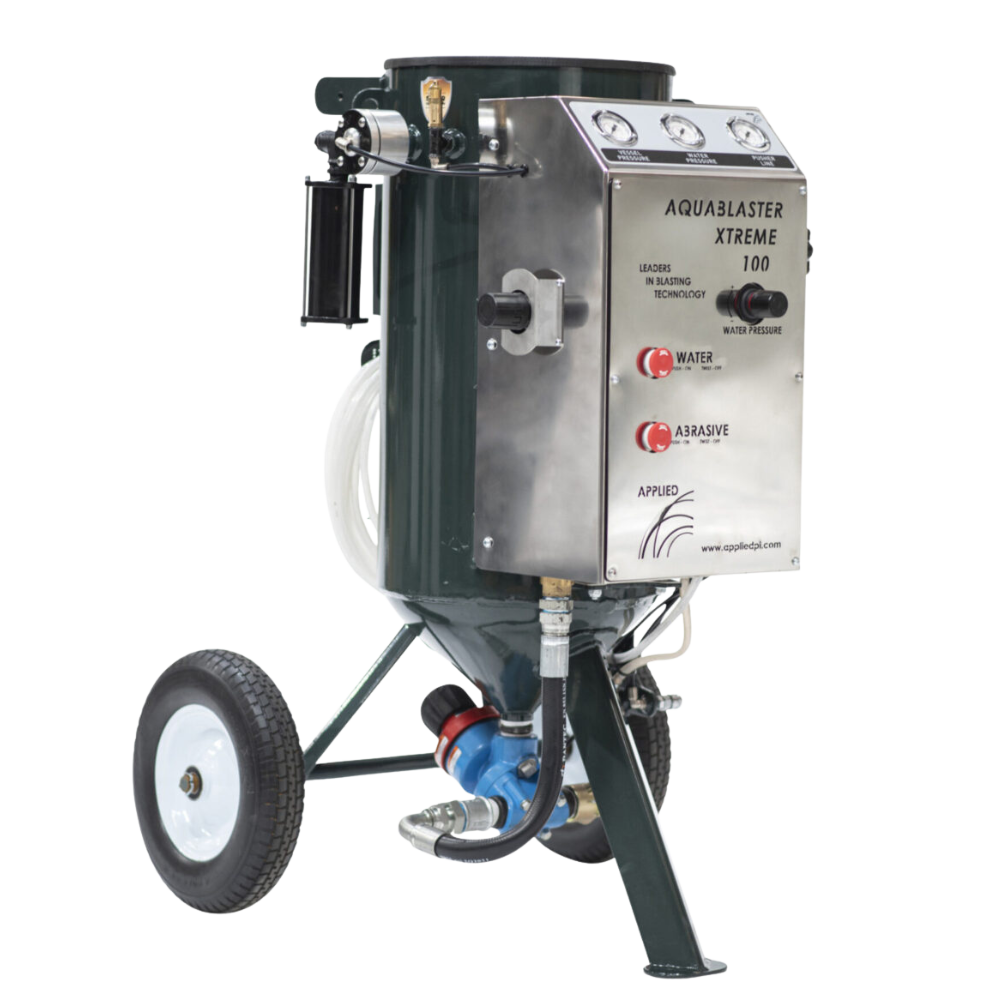
Aquablaster Xtreme 3-Variable Setup Guide
The three controls you’re balancing:
Pressure (bar/psi) = cutting power + profile
Abrasive feed = aggression + speed (too much = bogging/rough finish)
Water feed = dust suppression + cooling + “cushioning” (too much = slower cutting / can hydroplane media)
The golden rule
If it’s too aggressive: drop pressure first, then abrasive, then add a touch more water.
If it’s not shifting contamination: raise abrasive first, then pressure, then reduce water slightly.
What each variable actually does
1) Pressure
Higher pressure = faster stripping, deeper key/profile, higher risk of warping/etching.
Lower pressure = safer on thin/soft substrates, more controllable.
2) Abrasive amount
More abrasive = more cutting points hitting the surface (faster), but can:
increase surface roughness
increase media use
reduce visibility if you overdo it
Too little abrasive = you’re basically pressure-washing with grit “sparkles”.
3) Water amount
More water = less dust, cooler surface, gentler impact.
Too much water = slows cutting, can reduce profile, can make contamination smear (paint/grease) rather than lift.
Quick start procedure (repeatable every time)
Start with mid pressure, low abrasive, mid water.
Do a 30–60 second test patch.
Adjust one variable at a time:
Need more bite → add abrasive a notch.
Still slow → raise pressure a notch.
Getting too harsh / hot / dusty → add water a notch (or drop pressure).
Recommended settings by material (starting points)
Mild steel (rust, paint, mill scale)
Goal: fast removal + solid profile for coating
Pressure: Medium–High
Abrasive: Medium–High
Water: Low–Medium
Notes:
For heavy rust/scale: increase abrasive before pushing pressure hard.
If flash rust is a concern: don’t drown it — finish, rinse, dry, and protect quickly.
Stainless steel (weld tint, contamination, refurbishment)
Goal: clean without heavy profiling
Pressure: Low–Medium
Abrasive: Low–Medium
Water: Medium
Notes:
Keep it cooler with a touch more water.
Don’t chase speed with aggressive media unless you actually want a rough key.
Aluminium (oxidation, paint removal, restoration parts)
Goal: strip without pitting
Pressure: Low
Abrasive: Low
Water: Medium–High
Notes:
Aluminium marks easily — use water as your “softener”.
If it’s not moving: slightly more abrasive is safer than more pressure.
Galvanised steel (cleaning before paint, removing white rust)
Goal: clean without stripping zinc
Pressure: Low
Abrasive: Very Low
Water: Medium–High
Notes:
Treat it like “cleaning”, not “stripping”.
If you see zinc coming off, you’re too aggressive (reduce pressure/abrasive).
Cast iron (engine blocks, heavy corrosion)
Goal: remove rust/paint, uniform finish
Pressure: Medium
Abrasive: Medium
Water: Low–Medium
Notes:
Cast is tougher, so you can lean on abrasive a bit more.
Watch for trapped grit in cavities—flush thoroughly.
Stone / masonry (graffiti, smoke damage)
Goal: remove contamination without eroding detail
Pressure: Low–Medium
Abrasive: Low–Medium
Water: Medium–High
Notes:
Softer stone wants lower pressure and more water.
Always test patch—stone varies massively.
Brick (paint/graffiti)
Goal: clean face without chewing mortar
Pressure: Low
Abrasive: Low
Water: Medium–High
Notes:
Keep the nozzle moving; don’t dwell on edges/mortar lines.
Wood (oak beams, furniture stripping)
Goal: remove coatings while keeping grain intact
Pressure: Very Low
Abrasive: Very Low
Water: Medium
Notes:
Water helps stop “furring” and burning, but too much can raise grain.
Multiple light passes beat one heavy pass.
Fibreglass / GRP / gelcoat (boats)
Goal: remove antifoul/paint without damaging gelcoat
Pressure: Very Low
Abrasive: Very Low
Water: Medium–Hig
Notes:
If you see the surface go chalky/etched, back off immediately.
Powder coat removal (steel frames)
Goal: break coating cleanly without gouging metal
Pressure: Medium
Abrasive: Medium
Water: Low–Medium
Notes:
If it’s bouncing and not breaking, add abrasive slightly.
Fast troubleshooting cheat sheet
Problem: Not removing coating / rust
Increase abrasive → then pressure → slightly reduce water if it’s “washing” rather than cutting.
Problem: Surface looks too rough / pitted
Reduce pressure → reduce abrasive → increase water.
Problem: Warping on thin sheet metal
Drop pressure a lot, keep abrasive low, use more water, increase stand-off distance, keep moving.
Problem: Media usage is crazy
You’re probably over-feeding abrasive. Reduce abrasive, raise pressure slightly if needed.
Problem: Poor visibility / slurry everywhere
Too much water (or too much abrasive). Back one off, then adjust.

Safety and finish notes (quick)
Always test patch in an inconspicuous area.
Keep consistent stand-off distance and nozzle angle — it matters as much as the dials.
After blasting: rinse, dry, inspect, then protect/prime ASAP where needed.
👉 Want to see if vapour blasting is right for your project? Contact CoolBlast for expert advice.
Sand Blasting and Grit Blasting Guides
Buyers Guide to Sand / Grit Blasting Machines

Choosing the Best Abrasive Media for Your Blasting Jobs
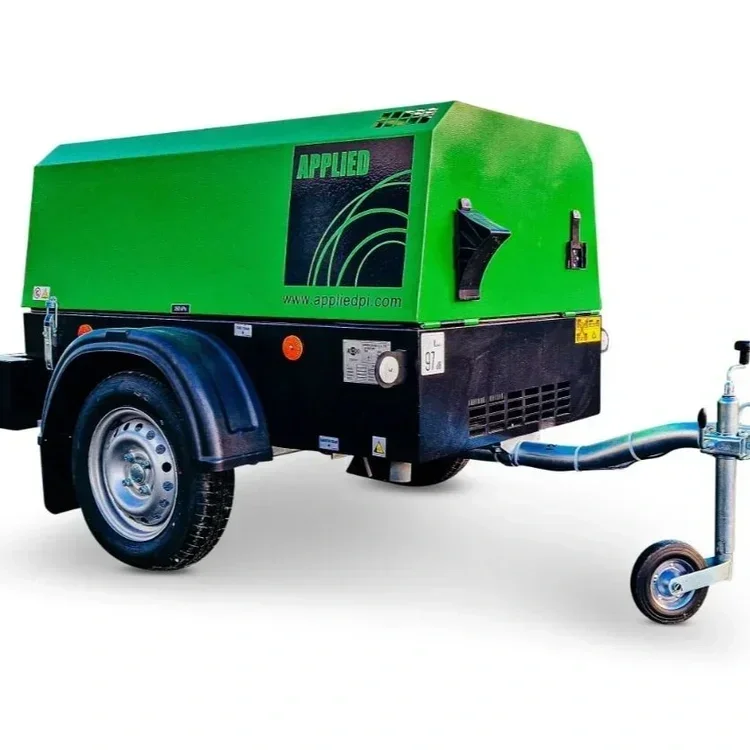
Buyers Guide to Compressors for Sand / Grit Blasting
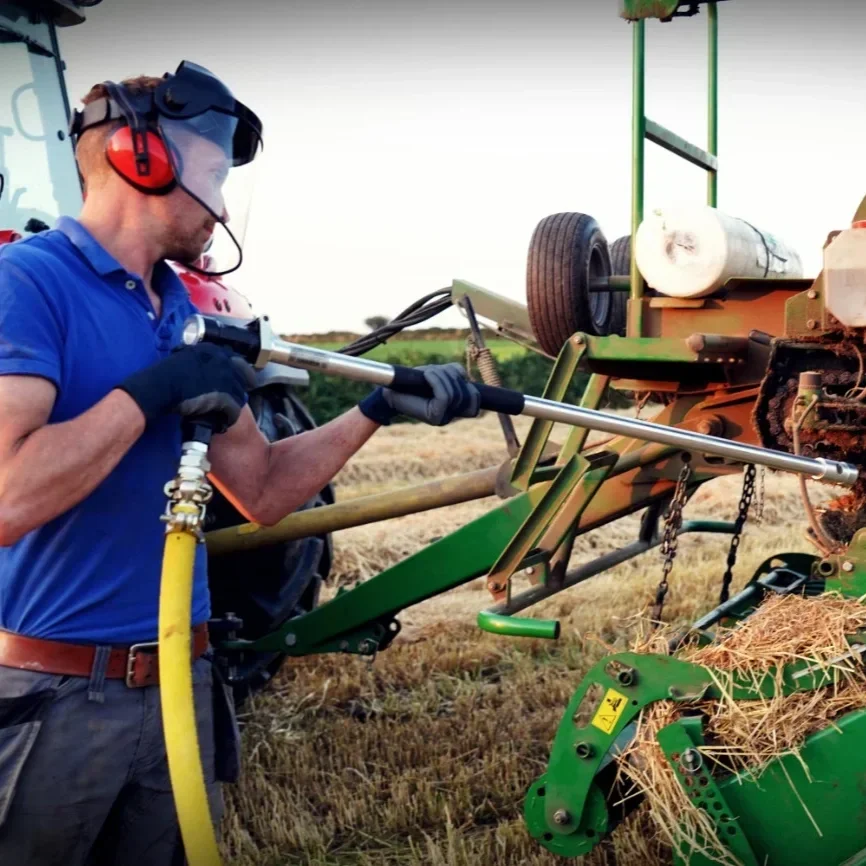
The Cost of UK Blasting Materials
Vapour, Water and Dustless Blasting Guide
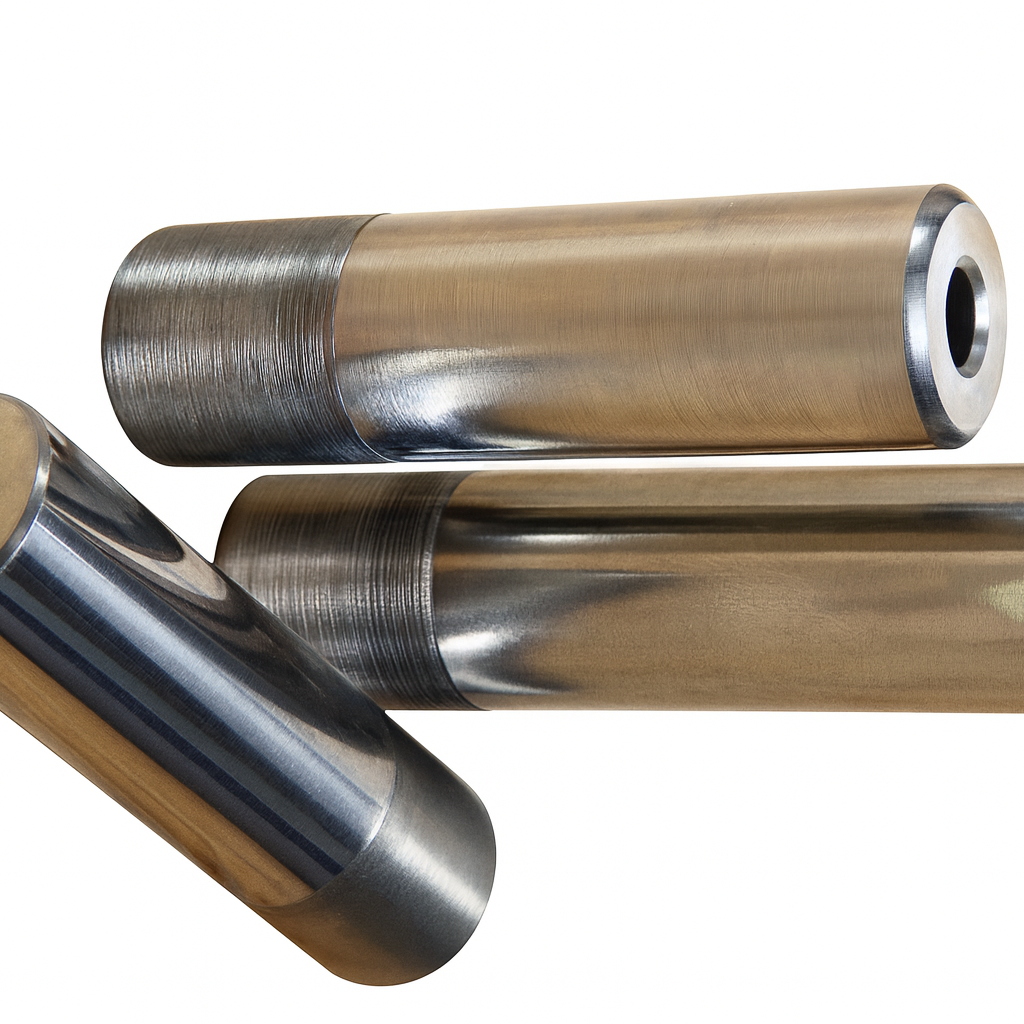
Nozzle Sizing Guide for Sand Blasting
Aquablaster Guide - Wood, Stone & Brick