Nozzle Sizing Guide for Sand Blasters
Choosing the right nozzle is one of the most important decisions in any sand blasting setup. The nozzle affects your blasting speed, your abrasive use, your finish quality, and even how hard your compressor has to work. Get it right, and the whole job becomes faster, cleaner, and more efficient. Get it wrong, and you’ll burn through media, lose pressure, and waste time.
Blasting Nozzle Calculator
Not sure what size nozzle your compressor can actually run? This quick calculator removes all the guesswork. Just enter your compressor’s airflow (CFM) and working pressure (bar) and it’ll show you the largest nozzle size you can use while still maintaining proper blasting pressure.
Using the right nozzle size is essential for good results in sand blasting — too large and you’ll lose pressure, too small and you’ll choke the machine and slow the job down. This tool gives you an instant answer so you can match your compressor, sandblaster and nozzle perfectly.
Blasting Nozzle Calculator
Air & Pressure Requirement Chart
Use the chart below to help you choose the right size nozzle.
Example:
If you’re running a 140 CFM compressor at around 7 bar (100 PSI), the chart shows that an 8 mm nozzle is the right size for maximum productivity.
This keeps blasting pressure strong while giving you good abrasive velocity and a healthy blast pattern.
| Nozzle size - mm | Airflow and Abrasive Use | Nozzle Pressure - Bar | ||||||
|---|---|---|---|---|---|---|---|---|
| 3.5 | 4.1 | 4.8 | 5.5 | 6.2 | 6.9 | 8.6 | ||
| 3.2 |
Airflow Abrasive Use |
12 CFM 14 kg/hr |
13 CFM 18 kg/hr |
15 CFM 22 kg/hr |
17 CFM 27 kg/hr |
19 CFM 33 kg/hr |
21 CFM 40 kg/hr |
26 CFM 61 kg/hr |
| 4.8 |
Airflow Abrasive Use |
25 CFM 68 kg/hr |
30 CFM 77 kg/hr |
35 CFM 91 kg/hr |
40 CFM 108 kg/hr |
45 CFM 125 kg/hr |
50 CFM 146 kg/hr |
65 CFM 218 kg/hr |
| 6.4 |
Airflow Abrasive Use |
40 CFM 122 kg/hr |
48 CFM 136 kg/hr |
56 CFM 159 kg/hr |
63 CFM 181 kg/hr |
71 CFM 206 kg/hr |
80 CFM 227 kg/hr |
100 CFM 306 kg/hr |
| 8 |
Airflow Abrasive Use |
58 CFM 213 kg/hr |
69 CFM 240 kg/hr |
80 CFM 306 kg/hr |
91 CFM 340 kg/hr |
103 CFM 374 kg/hr |
115 CFM 407 kg/hr |
145 CFM 499 kg/hr |
| 9.5 |
Airflow Abrasive Use |
78 CFM 306 kg/hr |
91 CFM 352 kg/hr |
105 CFM 397 kg/hr |
119 CFM 442 kg/hr |
132 CFM 481 kg/hr |
148 CFM 499 kg/hr |
185 CFM 612 kg/hr |
| 11 |
Airflow Abrasive Use |
102 CFM 408 kg/hr |
120 CFM 454 kg/hr |
138 CFM 500 kg/hr |
157 CFM 545 kg/hr |
176 CFM 590 kg/hr |
197 CFM 635 kg/hr |
245 CFM 816 kg/hr |
| 12.7 |
Airflow Abrasive Use |
130 CFM 540 kg/hr |
153 CFM 605 kg/hr |
177 CFM 680 kg/hr |
202 CFM 770 kg/hr |
225 CFM 902 kg/hr |
260 CFM 925 kg/hr |
320 CFM 1150 kg/hr |
| 16 |
Airflow Abrasive Use |
200 CFM 890 kg/hr |
230 CFM 980 kg/hr |
260 CFM 1180 kg/hr |
300 CFM 1460 kg/hr |
330 CFM 1690 kg/hr |
360 CFM 1930 kg/hr |
430 CFM 2132 kg/hr |
| 19 |
Airflow Abrasive Use |
270 CFM 1225 kg/hr |
310 CFM 1406 kg/hr |
350 CFM 1588 kg/hr |
390 CFM 1769 kg/hr |
430 CFM 1950 kg/hr |
470 CFM 2132 kg/hr |
570 CFM 2586 kg/hr |
1. Match the Nozzle to Your Compressor Output
Before anything else, make sure your compressor can comfortably support the nozzle size you want to use. As a rule:
Your compressor should supply at least 50% more air (CFM) than the nozzle requires.
This ensures:
stable blasting pressure
consistent cutting power
reduced wear
no “bogging down” when blasting continuously
Once you add the table and the nozzle calculator to this page, users will be able to instantly check what nozzle sizes their compressor can actually run.
2. Match the Nozzle Entry to the Blast Hose
The nozzle entry throat should be the same diameter as the blast hose.
This reduces:
pressure drop
turbulence
internal wear
A mismatch here is one of the most common causes of poor blasting performance.
3. Choose the Right Nozzle Type for the Job
Different nozzle profiles create different blast patterns. Here’s a simple breakdown:
Straight Bore Nozzles
Best for:
tight, controlled blasting
carving stone
rail/step cleaning
weld seam cleaning
Produces a narrow, focused pattern.
Venturi Nozzles
Wider blast pattern
Much higher abrasive velocity — up to 100% more than straight bore
Ideal for general sand blasting and larger surface areas
Double Venturi Nozzles
Even wider pattern
Minimal loss of abrasive velocity
Great for covering large panels, structures, or surfaces quickly.
Wide Throat Nozzles
Up to 60% larger blast pattern
Lower abrasive use at high pressure
Perfect when you want fast coverage and reduced media consumption.
Angle Blast Nozzles
Designed for blasting:
inside pipes
behind flanges
inside cavities
awkward or hard-to-reach areas
These nozzles let you hit surfaces you simply can’t reach with a straight nozzle.

👉 Need help choosing? Contact CoolBlast for expert advice on sand blasting machines, compressors, abrasives and PPE packages.
Sand Blasting and Grit Blasting Guides
Buyers Guide to Sand / Grit Blasting Machines

Choosing the Best Abrasive Media for Your Blasting Jobs
Buyers Guide to Compressors for Sand / Grit Blasting
The Cost of UK Blasting Materials
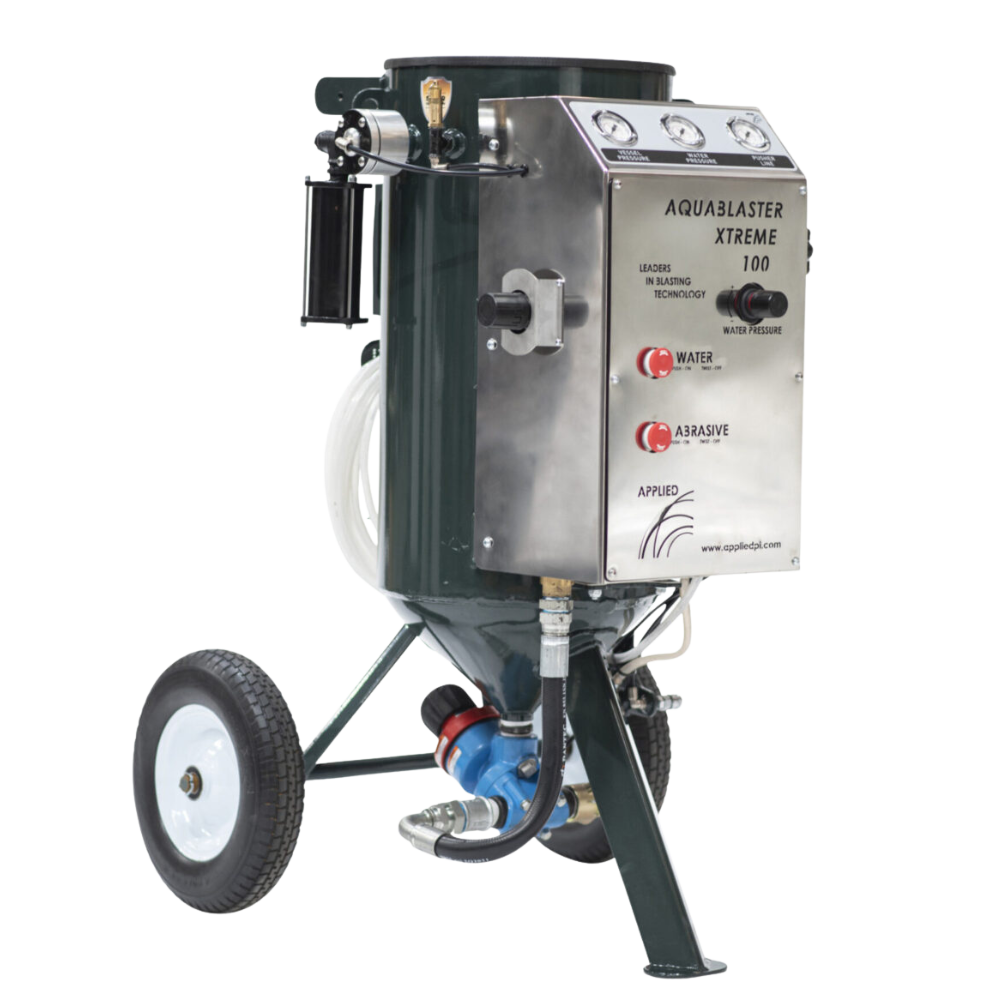
Vapour, Water and Dustless Blasting Guide
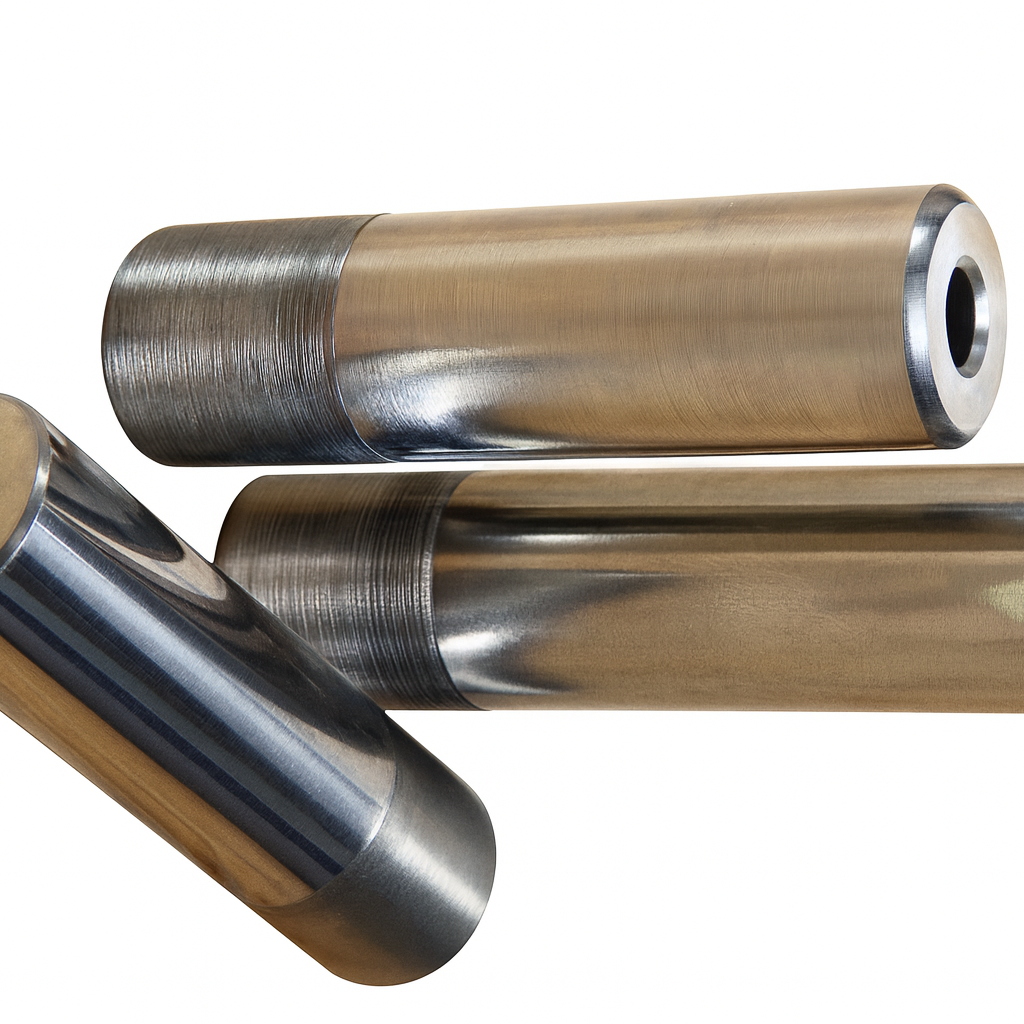
Aquablaster Guide - Wood, Stone & Brick
Aquablaster Guide - Pressure, Abrasive & Water