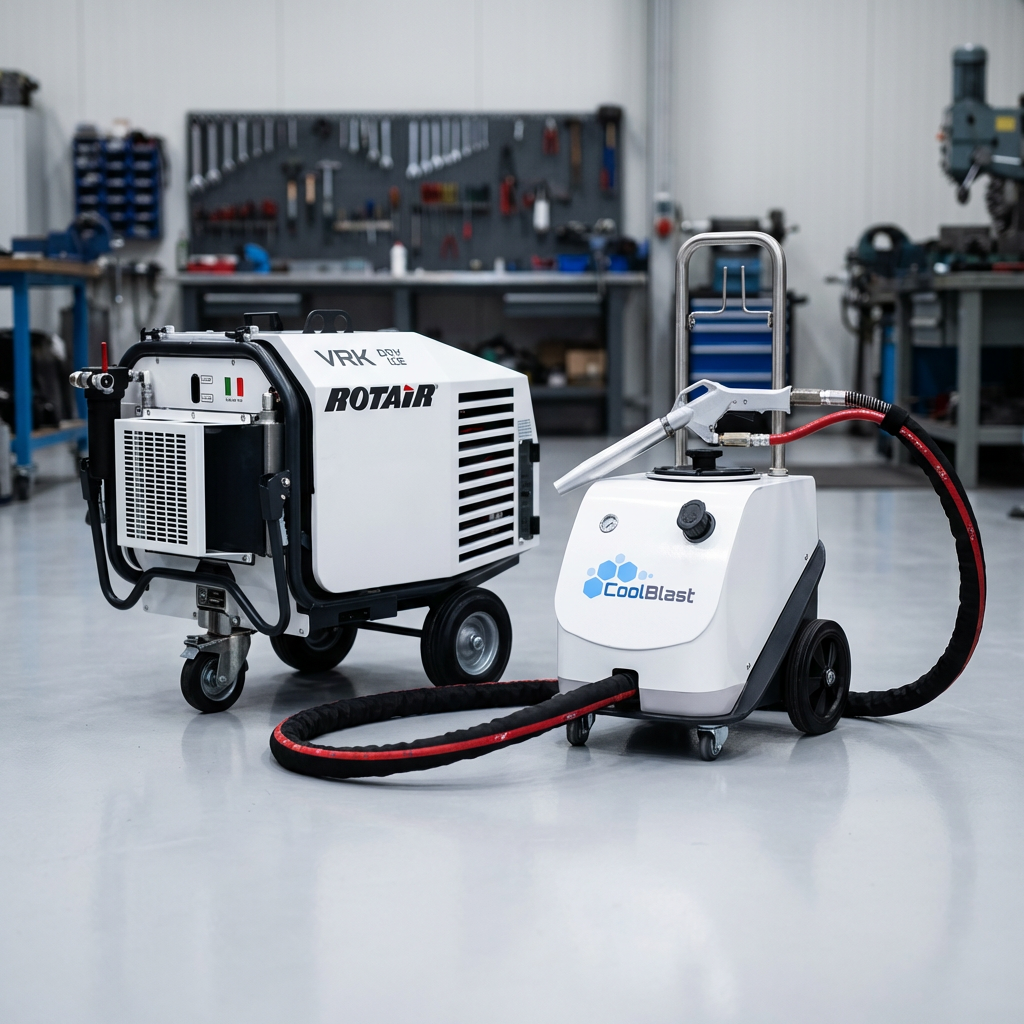
Dry Ice Blasting for Listed Buildings
Dry ice blasting is one of the best non-abrasive methods for restoring timber in listed buildings. It removes coatings without chemicals or water, making it ideal where preservation is critical.

Air Pressure & Performance
7 bar → ideal for most timber cleaning
Up to 10 bar → needed for heavy coatings (e.g. thick varnish, bitumen)
Key point:
👉 Always start low and increase gradually until the coating is removed without damaging the wood.
Important Considerations for Timber
1. Wood hardness matters
Softwoods (pine, cedar) → lower pressure required
Hardwoods (oak, teak) → can take more pressure
2. Grain effect
Dry ice can:
Remove softer grain between harder growth rings
Leave a slightly textured / raised grain finish
👉 This is often desirable for beams, but:
For panelling or floors → may need a light sand after
Dry Ice vs Sand Blasting (Listed Buildings)
Dry Ice Blasting
Gentle, controllable
Preserves detail
Approved for heritage work
No mess or water
Sand / Abrasive Blasting
Aggressive
Can damage surface detail
Removes material, not just coating
Usually harder to get approval
👉 In most listed building scenarios, dry ice is the safer starting point.
Typical Coatings You Can Remove
Dry ice blasting works well on:
Paint (modern & historic layers)
Varnish & lacquer
Bitumen coatings
Smoke & fire damage
Soot & carbon deposits
Oils & grease
Wax finishes
Biological contamination (mould, algae)
Wood Cleaning Playbook
Use this as a starting guide 👇
Oak Beams (Hardwood)
Pressure: 6–8 bar (up to 10 bar for heavy coatings)
Pellet size: medium to large
Notes: Handles higher pressure well, slight grain lift possible
Pine Beams / Softwood
Pressure: 4–6 bar
Pellet size: small to medium
Notes: Easy to damage – go steady
Decorative Panelling
Pressure: 3–5 bar
Pellet size: small
Notes: Focus on preserving detail and smooth finish
Wooden Floors
Pressure: 4–6 bar
Pellet size: small to medium
Notes: Expect to follow with light sanding for uniform finish
Heavily Coated Timber (Paint / Bitumen)
Pressure: 7–10 bar
Pellet size: medium to large
Notes: May require multiple passes
Best Practice
Always start at low pressure
Increase gradually until coating is removed
Test on a hidden area first
Adjust:
Pressure
Pellet size
Distance from surface
👉 The goal is simple:
Remove the coating, not the wood
Why Use Dry Ice Blasting on Listed Buildings?
Non-abrasive (when used correctly) – protects original timber
No water – avoids swelling, staining, or rot risk
No secondary waste – CO₂ sublimates (turns to gas)
Suitable for heritage approval – often accepted for listed building work
In many cases, dry ice blasting can be approved where traditional blasting methods would be rejected.
Final Thoughts
Dry ice blasting gives you a controlled, heritage-friendly way to restore timber without the risks of traditional blasting or chemicals.
For listed buildings, it’s often the difference between:
Preserving character
or permanently damaging it
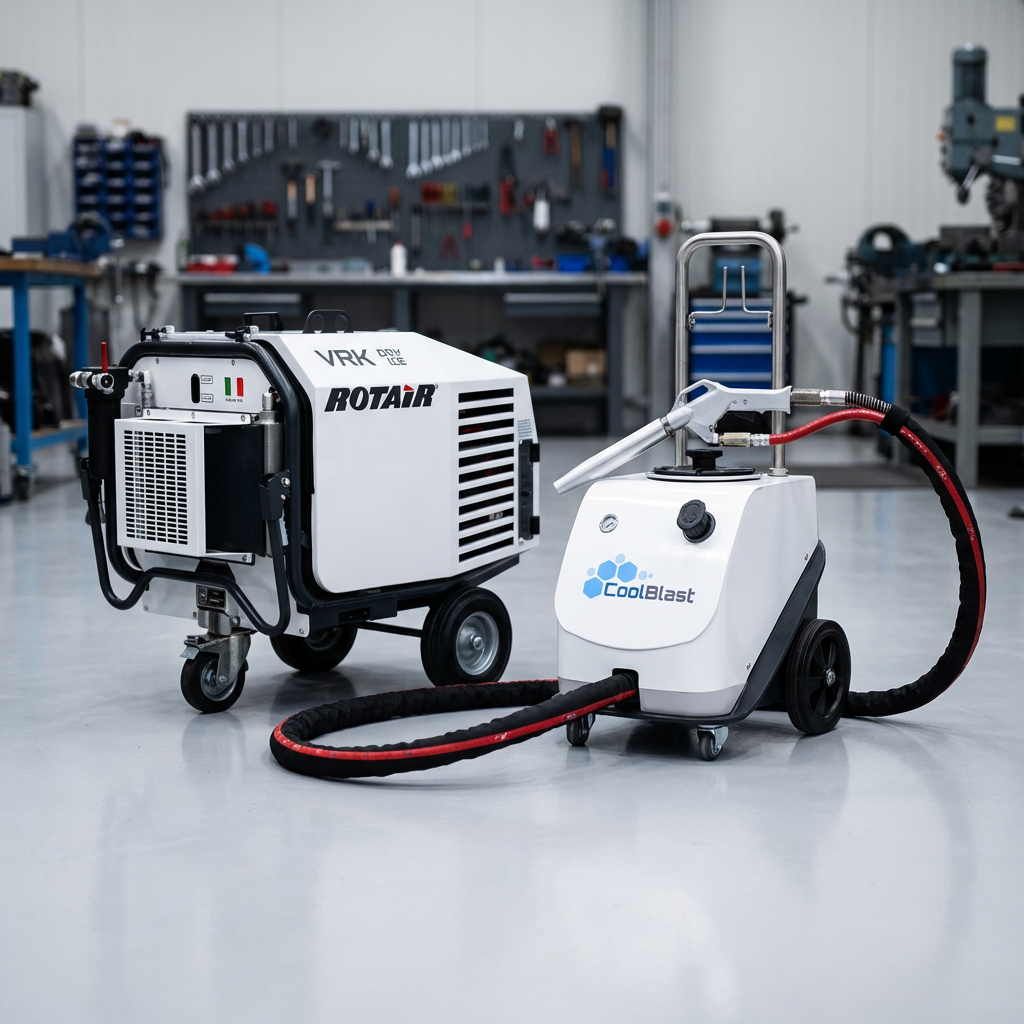
👉 Want to talk about our range of dry ice blasting machines? Contact CoolBlast for expert advice.

Dry Ice Blasting Guides
Buyers Guide to Dry Ice Blasting Machines

Liquid-to-Pellet (L2P) vs. Pellet-Driven Dry Ice Blasting Machines
Buyers Guide to Compressors for Dry Ice Blasting